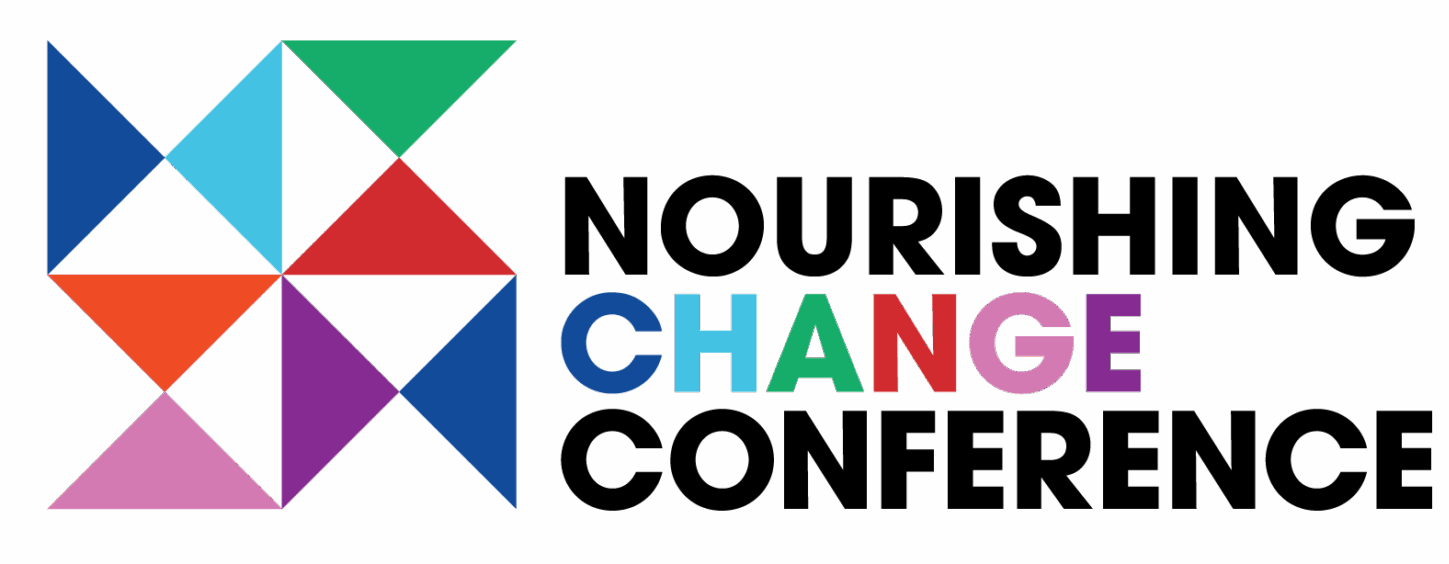

If you ask a Millennial or Gen Z consumer where they get their nutrition advice, there is a good chance the answer is TikTok. For a growing share of shoppers, the platform has become an always-on feed of recipes, quick fixes, and viral “hacks” that promise faster weight loss or better health.
The problem is that most of it is wrong. And the antidote isn’t just accurate content—it’s better tools that help people track what actually works for their body, building sustainable habits grounded in science rather than fleeting hype.
In April 2024, MyFitnessPal released findings from a survey of 2,000 Millennials and Gen Z across the United States, Canada, the United Kingdom, and Australia that looked squarely at the influence of viral nutrition trends on TikTok. MyFitnessPal partnered with Dublin City University in 2023 on a large-scale analysis of TikTok diet and nutrition videos using artificial intelligence to compare them against nutrition and public health guidelines. Together, the survey and the content analysis provide one of the clearest pictures yet of how social media is reshaping food choices, and where things are going off track.
For leaders across retail, CPG, and care delivery, the findings are a call to action.
TikTok is shaping everyday nutrition decisions
The MyFitnessPal survey confirms what many front-line practitioners already see in client consultations and grocery aisles.
Among Millennial and Gen Z TikTok users surveyed, 87% said they have turned to the platform for health and nutrition advice. More than half, 57%, report that they are influenced by or frequently adopt nutrition trends they find there, and within that group, 67% say they try at least one of those trends a few times a week.
This is not passive viewing. It is frequent experimentation that can shape what people eat for meals and snacks, how they structure their day, and which products they go looking for on the shelf.
When respondents were asked what they had actually tried from TikTok, the top fad diets and trends included:
- Detoxes
- “Foods that burn stomach fat”
- Liquid cleanses
Gen Z participants were more likely to experiment with chlorophyll water, while Millennials were more likely to try detoxes, the Carnivore diet, and the cabbage soup diet. None of these approaches are consistently backed by high-quality scientific evidence.
The concern is not just that these trends are unproven. They can be risky. Despite acknowledging potential health risks linked to some popular TikTok trends, 30% of surveyed users tried them anyway, and 31% say they have experienced an adverse effect from the “fad diets” they adopted from TikTok.
Behind those numbers are real human stories: disrupted digestion, energy crashes, and a set of expectations about “quick fixes” that is hard to unwind.
Inside the Dublin City University x MyFitnessPal TikTok analysis
To understand how TikTok content stacks up against evidence, MyFitnessPal worked with researchers at Dublin City University in 2023 on a study of nutrition-related videos on the platform.
The team analyzed more than 67,000 TikTok videos about diet and nutrition, comparing them to nutrition and public health guidelines. The preliminary findings are stark and suggest that only 2.1% of the food and nutritional advice on TikTok was classified by Artificial Intelligence as accurate.
The rest of the content fell into three buckets:
- Inaccurate
- Partially accurate
- Uncertain, due to a lack of support by scientific evidence
The researchers also point out that people are leaning on social signals when they decide which content to trust. Metrics like follower count or the virality of a video are acting as proxies for expertise, even though they have little to do with the quality and accuracy of the nutrition guidance.
“When scrolling through our social feeds it’s important to dig into the science behind the trend, verify the credentials of the person offering the advice, and remember that nutrition is not one-size-fits-all. Tools like MyFitnessPal offer the opportunity to understand the nutrients behind the viral trends and see how they factor into personal health goals,” says Melissa Jaeger, registered dietitian and MyFitnessPal Head of Nutrition.
In other words, the most shared information is not necessarily the most accurate. At scale, that becomes a public health challenge.
A widening digital health literacy gap
Taken together, the survey and the TikTok content analysis highlight a growing digital health literacy gap.
Consumers are:
- Turning to social media first for answers about food, weight, and health
- Rewarding content that is entertaining, simple, and definitive
- Struggling to distinguish between evidence-based advice and personal anecdotes or marketing
“Trending content isn’t going anywhere and it’s imperative to separate the noise from the fact. If you see content that touts extreme results from a singular recipe or food – that is just one example of a red flag commonly appearing across social media platforms. In partnership with Dublin City University we developed a resource that can serve as a checklist to help identify inaccurate nutrition information on social media and support digital health literacy,” continues Jaeger.
For organizations that care about food-as-health, this gap cuts across multiple priorities.
It matters for weight management programs and GLP-1 strategies, because social media can either complement or undermine clinical guidance. It matters for chronic disease prevention, because fad diets and cleanses can distract from sustainable shifts in fiber, protein, and overall dietary patterns. It matters for mental health, because rapid swings between hope and disappointment around viral trends can deepen frustration when it comes to making progress towards a health goal.
Digital health literacy is not just about teaching people to read labels. It is about giving them simple tools to analyze the nutrition content that floods their feed every day.
The hopeful signal: Gen Z still trusts registered dietitians
The survey does include a bright spot, especially for anyone investing in evidence-based nutrition.
Despite the noise, Gen Z respondents said they trust content shared by qualified registered dietitians more than nutrition information from unqualified influencers. That preference is a crucial signal. It suggests that, even on social platforms built around personal brands and trends, there is still an appetite for credible expertise.
For retailers, brands, and health systems, this opens up opportunities:
- Elevate registered dietitians as visible faces of food-for-health initiatives, both in store and online
- Pair viral formats with professional oversight, so trend-driven content still aligns with public health guidance
- Bring registered dietitians closer to product discovery, loyalty programs, and digital care journeys
In the “Byte-Size Healing: How Digital Dietitians Are Transforming Personalized Nutrition” session at the Nourishing Change Conference, leaders like MyFitnessPal will be exploring exactly this intersection of care, commerce, and counseling. Highlighting how registered dietitians can leverage nutrition tracking tools and operate as trusted guides in digital environments.
What leaders can do now
The gaps highlighted in the work are too big for any single organization to solve, but there are practical steps that stakeholders can take right away.
For retailers and grocers
- Treat social-driven nutrition trends as part of the shopper journey, not an external distraction.
- Surface dietitian-led guidance within loyalty apps, online shopping experiences, and in-store signage, especially around categories most affected by viral trends.
- Connect store events, classes, and clinics to clear digital follow-ups that help consumers translate learning into everyday choices.
For brands and CPGs
- Audit influencer partnerships for alignment with public health and nutrition guidelines, not just reach and engagement.
- Use brand platforms to debunk common myths that surface in the TikTok data, such as extreme cleanses or single-food “fat burning” claims.
- Build campaigns that pair compelling storytelling with plain-language explanations of how products fit into balanced patterns of eating.
For digital health platforms and pharmacy/retail health apps
- Integrate educational touchpoints that help users question sensational claims they may encounter elsewhere.
- Offer in-app access to content from credentialed experts and, where possible, direct connections to registered dietitians.
- Consider incorporating tools like the social media nutrition checklist created by MyFitnessPal and Dublin City University, which is designed to help individuals spot inaccuracies and improve digital health literacy.
For health systems and payers
- Encourage clinicians to ask about social media influences as part of routine nutrition and weight management conversations.
- Provide simple scripts to help patients evaluate what they see online and redirect them toward safe, sustainable approaches.
- Partner with retailers and digital platforms to align messaging around shared Food-is-Health goals.
None of this requires attacking social media itself. The goal is to meet people where they are and make it easier to find the signal inside the noise.
How Nourishing Change will carry the conversation forward
At the Nourishing Change Conference, we are bringing these threads together across multiple stages. Sessions on AI-enabled personalized nutrition, consumer trust, and digital dietitians all sit against the backdrop of platforms like TikTok, where millions of daily decisions begin.
The MyFitnessPal and Dublin City University work gives our community a concrete data set to react to. It also reinforces a simple truth. When it comes to nutrition, influence without evidence is not enough. Consumers are asking for guidance that is personal, practical, and grounded in science.
Our job, across retail, CPG, and care delivery, is to help deliver it.
Sources
-
MyFitnessPal. “Concerning New Statistics Highlight Inaccurate Nutrition Trends on TikTok.” Press release, April 11, 2024.
-
Dublin City University Business School. “DCU and MyFitnessPal study on social media health and wellness trends highlights urgent need for digital health literacy.”