

In 2026, retail health will be defined by what actually changes consumer behavior and helps shoppers make clearer, healthier decisions in real time.
Health and nutrition behavior decisions happen in the grocery aisle and through the digital experiences retailers shape and control, including search, personalization, and the tools shoppers use to plan meals and build consistent routines. Retail dietitians sit at the center of this moment, where evidence, trust, and behavior intersect.
Retail dietitians are strategic leaders who turn science into action, shape trust at scale, and help retailers deliver meaningful health and business outcomes.
That opportunity is clear to industry leaders, Annette Maggi, MS, RDN, LD, FAND, President of Annette Maggi & Associates, Inc., notes that, “One of the biggest opportunities for retail dietitians in 2026 is to anchor health messaging in credible, evidence-based science, cutting through noise and confusion to help shoppers make choices that are better for their health while driving meaningful business impact at their retailer.”
Cutting through nutrition noise where decisions happen
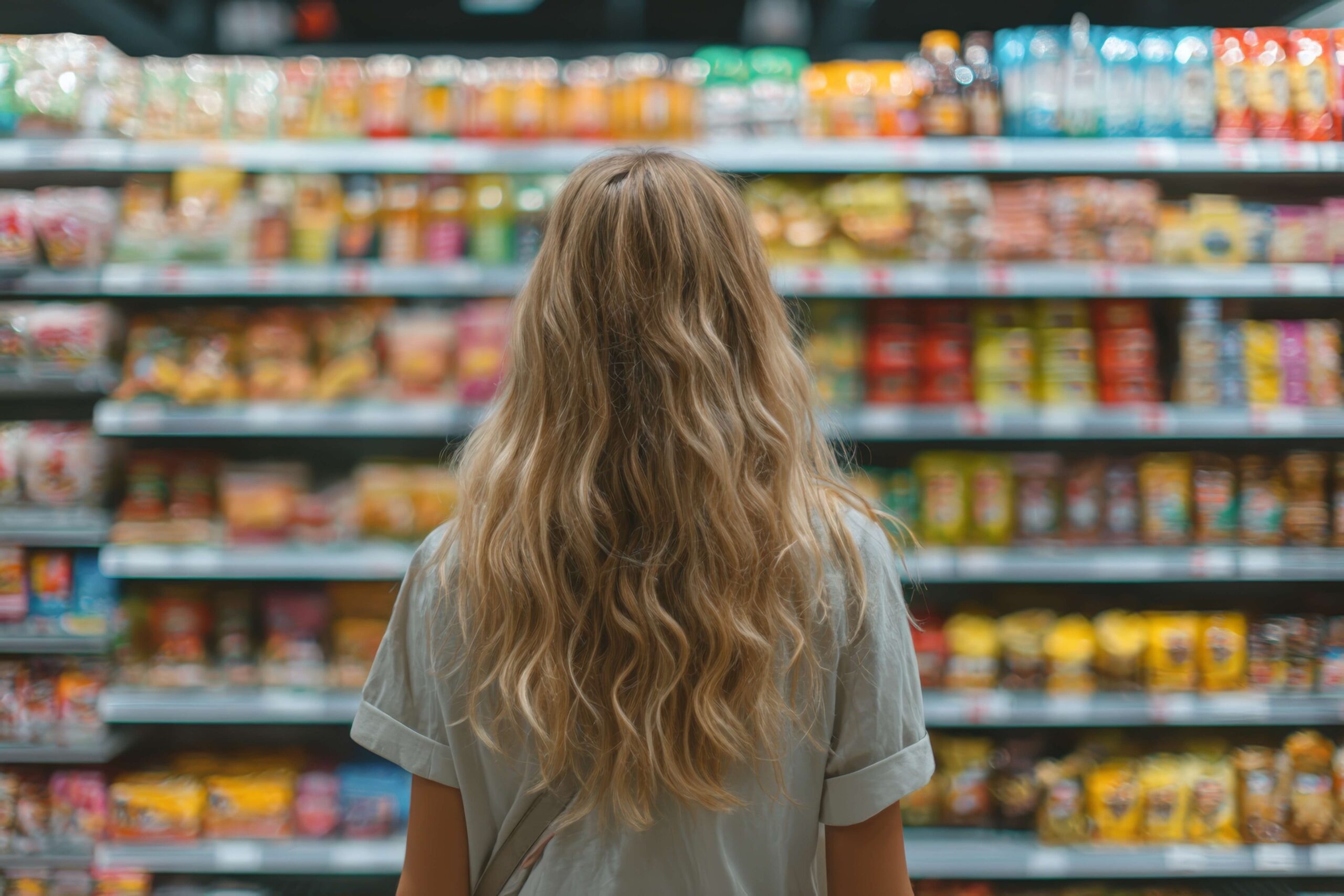
Today’s shoppers are not short on information. They are short on clarity.
Retail dietitians see this every day. Shoppers are navigating evolving nutrition guidance, changing labels, new health claims, and increasingly personalized health needs, all while trying to shop quickly and affordably. In that environment, more information is not the answer. Clear, practical guidance is.
Retail dietitians are uniquely positioned to provide that guidance because they understand both the science, the art of behavior change, and the shopping context. They know where confusion shows up, which decisions matter most, and how to simplify without oversimplifying.
Laura Brown, MS, RDN, LDN, Director of Nutrition, Food for Health at Kroger Health, highlights where retail dieticians are best positioned to lead: “In 2026, retail dietitians can make the greatest difference by building shopper trust through clear, evidence-based guidance embedded in the shopping experience to turn everyday choices into small, sustained behavior changes.”
Translating rapid labeling and policy change into shopper clarity
Nutrition labeling and policy expectations are evolving toward more visible, at-a-glance nutrition signals that help shoppers quickly understand and compare products. Federal efforts to introduce front-of-package nutrition labeling signal a broader shift toward clearer, more accessible nutrition information for consumers.
For retailers, the challenge is not regulatory compliance on packaging. The real challenge is ensuring consistency across the shopping experience, as nutrition information is presented across front-of-package labeling, shelf sets, search results, digital filters, and health-forward merchandising.
This is where retail dietitians make a measurable difference. They help teams interpret evolving standards, align messaging across functions, and translate complexity into guidance shoppers can use quickly and confidently. That leadership reduces confusion, builds trust, and supports more consistent shopper decision-making.
Mandy Katz, MS, RD, LDN, Director of Healthy Living at Giant Food, underscores this shift:, “In 2026, retail dietitians can make the greatest difference by cutting through the nutrition ‘noise’ that customers experience and making shopping and eating simpler. While nutrition is grounded in science, most food decisions are driven by habit and emotion.”
From trust to measurable impact
Trust is foundational, but it is not the endpoint. Retail health strategies are under increasing pressure to demonstrate real impact.
The growing evidence base for Food is Medicine approaches reinforces the role of food-based strategies when they are designed thoughtfully and evaluated rigorously. Retail dietitians play a critical role in bridging evidence and execution by working with merchandising, loyalty, digital product, pharmacy, and analytics teams.
In 2026, the most effective retail dietitian teams will help shape programs that balance health impact with commercial goals, support CPG collaboration, and translate nutrition expertise into measurable shopper engagement and behavior change.
As Mandy Katz reflects, “What’s most exciting is the opportunity to serve as key public health partners, connecting retail, community organizations, and consumers, which can ultimately position the grocery store as a trusted hub for access, education, and long-term wellbeing.”

Don’t miss this conversation at the 2026 Nourishing Change Conference
Retail dietitians are system shapers, translating science into scalable strategies that influence how millions of shoppers engage with food and health every day.
To meet these retail dietician leaders, join us at the 2026 Nourishing Change Conference for the featured session, “Consumer Engagement: Retail Dietitians Driving Strategy, Health, and Impact.”. This panel will explore how retail dietitians are influencing CPG partnerships and promotions, guiding shopper behavior in a shifting regulatory landscape, and proving ROI for health initiatives that matter.
You’ll hear real-world perspectives on GLP-1 nutrition strategies, emerging food scoring and trade-up opportunities, and programs that turn nutrition expertise into measurable results, from recipe-to-cart tools to merchandising and marketing best practices.
Sources
- U.S. Food and Drug Administration. Food Labeling: Front-of-Package Nutrition Information (Proposed Rule), 2025.
- U.S. Department of Health and Human Services and U.S. Department of Agriculture. Dietary Guidelines for Americans, 2025–2030, 2025.
- American College of Cardiology. Nutritional and Lifestyle Strategies to Support GLP-1 Obesity Treatment, 2025.
- World Health Organization. Guideline on the Use of GLP-1 Medicines in Treating Obesity, 2025.
- American Journal of Clinical Nutrition. Nutritional Priorities to Support GLP-1 Therapy for Obesity, 2025.