

The retail health landscape is undergoing its most significant transformations in decades.
As the global health and wellness market moves toward an $11 trillion opportunity, the food, pharmacy, technology, and healthcare sectors are no longer operating in silos. They are converging into a connected ecosystem, and reshaping how customers access care, how retailers grow, and how health outcomes are delivered.
Our latest report, Top 6 Trends That Will Define the Next Decade of Retail Health, examines the forces driving this shift and what they mean for leaders across food, retail, pharmacy, and health tech. In this post, we share highlights of the six trends. Download the full report for more detail as well as executive guidance on the strategic response to these trends.
1. GLP-1s, Nutrition Behavior, and the New Economics of Food for Health
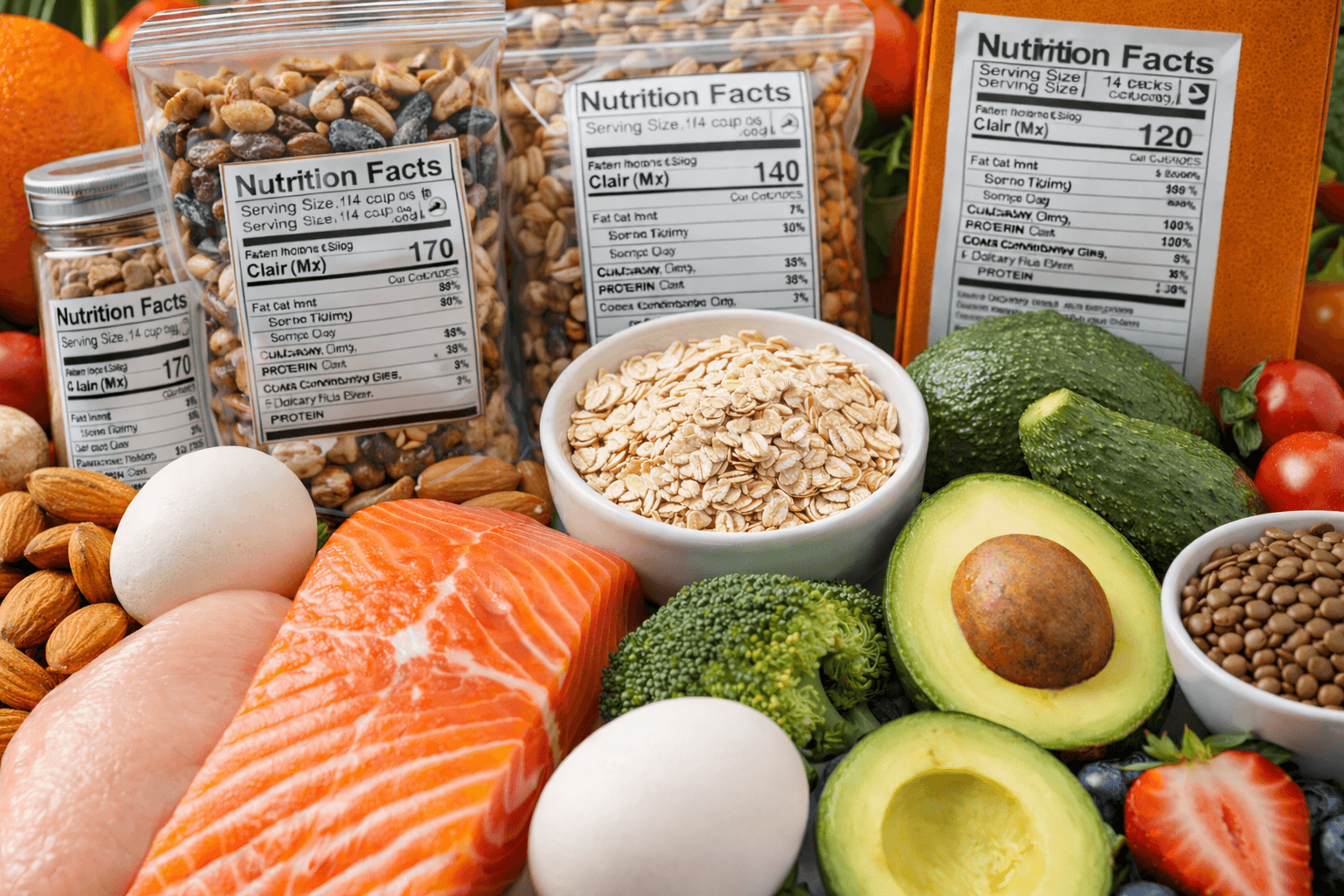
The rise of GLP-1 medications accelerated a powerful shift in customer behavior. More than ever, shoppers seek protein-forward, fiber-rich, portion-aware, and functionally supportive foods that align with metabolic health goals.
But this is more than just a category trend, food is becoming integrated into long-term care strategies. As the Food-for-Health movement matures, there is growing alignment between grocery retailers, pharmacies, payers, and health systems.
2. Omnichannel Strategy Is Now Health Strategy
Retail transformation has moved beyond simply adding eCommerce capabilities. It’s now about rearchitecting the operating model around personalization, loyalty, and health engagement.
Omnichannel shoppers offer high lifetime value, and also expect seamless integration among digital discovery, in-store experience, pharmacy access, and rewards ecosystems. In turn, personalization programs are shifting from promotional targeting to health relevance.
3. AI Is the Front Door to Retail Health
Artificial intelligence is rapidly moving from back-end efficiency tools to the primary interface for customers to search, discover, and transact.
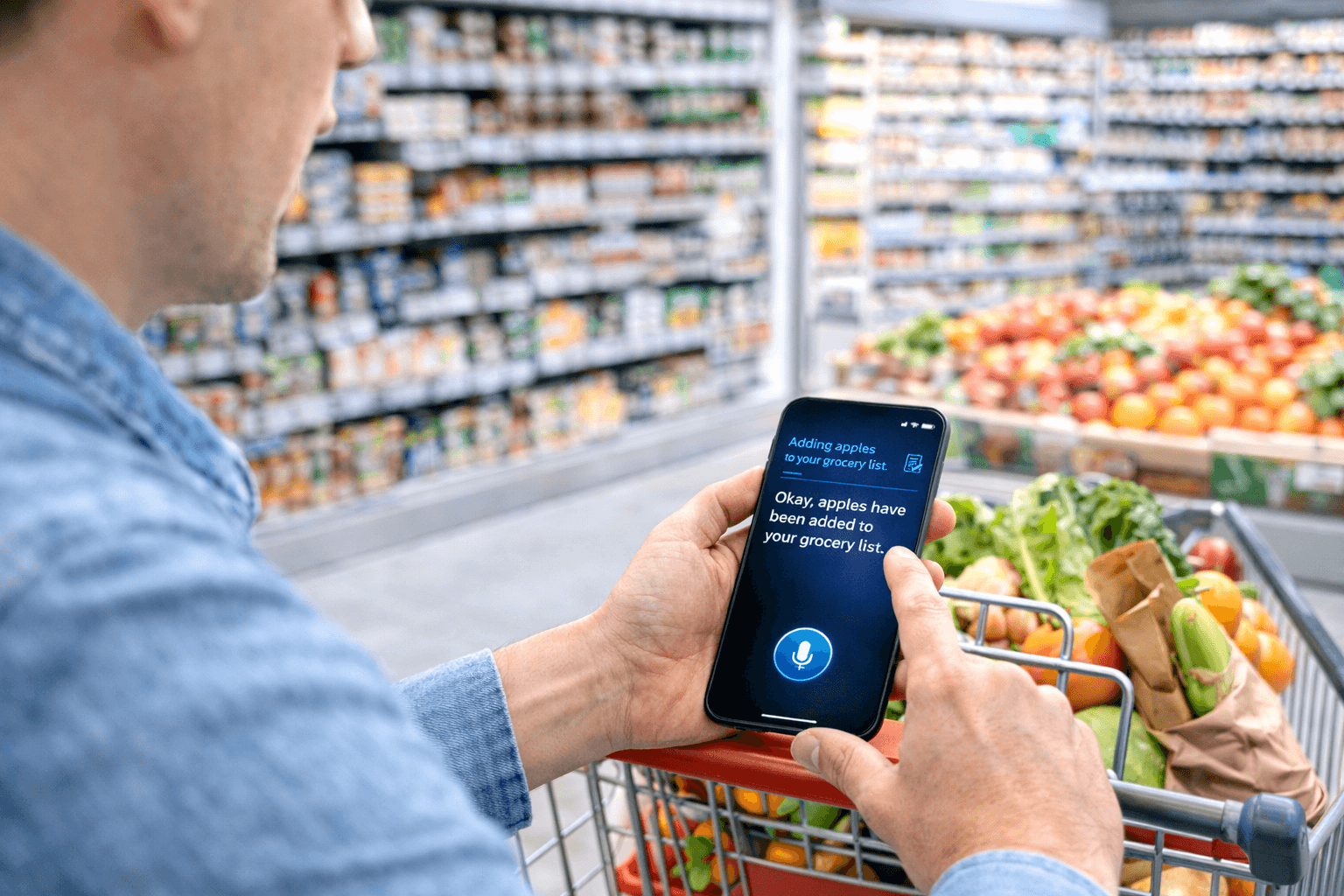
Conversational AI, predictive recommendations, and automated fulfillment are influencing decisions before a shopper even reaches a retailer’s owned channel. This reshapes brand visibility, customer acquisition, and basket economics.
At the same time, AI is enabling the delivery of truly coordinated care experiences via the secure integration of grocery, pharmacy, and clinical data.
4. Wellness Is Shifting to Continuous, Anywhere Care
Wellness is no longer episodic: it is a daily, data-informed practice. While Millennials and Gen Z are driving this change, customers across all generations are embracing proactive health management, from diagnostics and biomarker testing to wearables and AI-powered guidance.
Care is moving into homes, retail settings, pharmacies, and digital platforms. Continuous monitoring and real-time nudges are replacing reactive, appointment-based engagement.
5. Pharmacies and Retailers Are Forming Health and Wellness Hubs
Pharmacies, retailers, and payers are aligning to develop the next generation of community-based care: Retail-led health hubs.
To remain financially viable and to meet increased demand stemming from limited primary care capacity, pharmacies are expanding their services to include preventive care, chronic disease management, and medication therapy management.
Leading retailers and payers are also working together to deliver integrated health services, connecting retail clinics, pharmacy access, and preventive care into a single consumer experience.
6. Platforms Will Outperform Point Solutions
Technology is accelerating the transformation of health services from episodic, clinic-based encounters into continuous, digitally connected experiences. Retailers, health systems, and technology platforms are investing in services that make care more accessible, transparent, and personalized, enabling a greater share of care delivery happening at home and in the community.
Driven by this shift towards platforms, customers increasingly expect transparency, convenience, and control, while employers and payers are demanding affordability and measurable outcomes.
From Insight to Action

The trends outlined above point in a clear direction: The future of retail health will be led by those organizations that move beyond siloed thinking and toward system-level collaboration. So how can you capitalize on this opportunity?
-
- Go beyond the trends and discover the strategic implications by downloading Top 6 Trends That Will Define the Next Decade of Retail Health. The full report includes insights from organizations like Ahold Delhaize USA, Costco, Walmart, Kroger, Oscar Health, Apple and more.
-
- To catalyze moving from insight to action, join us at the Nourishing Change Conference 2026 where these trends will be not only discussed, but operationalized through real-world case studies, working groups, and collaborative dialogue.